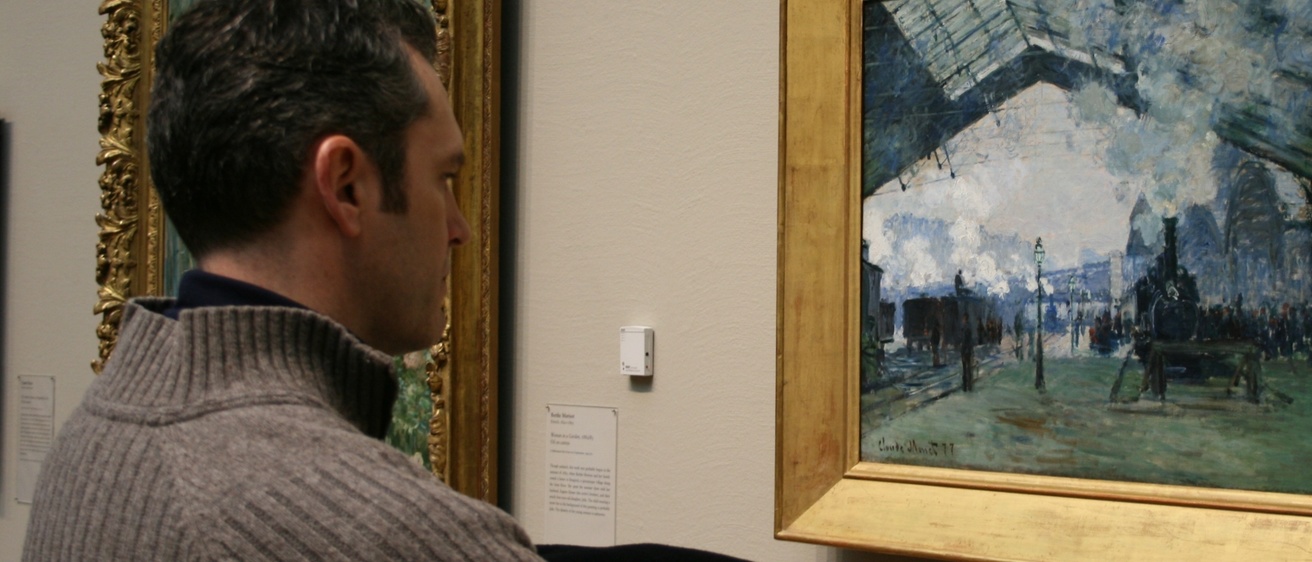
Master of Arts (MA) in Art History
Our PhD program provides scholarly challenges, research skills, and mentoring necessary for professional development and successful careers.
The PhD program in Art History prepares students to excel in premier roles in the field, as professors, museum curators, gallery directors, and other leading positions in the world of visual culture. From the moment you join our graduate program, a peer mentor will help you acclimate to the department, university, and the beautiful city. In our award-winning Art Building West, you’ll have a dedicated desk in our light-filled Art Library, where the windows stretch from floor to ceiling, and another in the communal TA office.
Our faculty is deeply committed to mentoring individual students and the entire cohort, ensuring personalized guidance and support throughout your academic journey. Each semester, we offer a professional development course called Colloquium, where faculty and students collaborate on practice presentations, writing successful fellowship applications, creating effective curriculum vitae, conducting archival research, job market advice, and strategies for effective teaching. Our students frequently publish academic papers and present at national and international conferences, showcasing their research and contributing to the global art history discourse.
Students are typically supported by multi-year funding packages involving a combination of teaching assistantships and scholarships; supplemental funding is also available for conference presentations and research travel, in the summer as well as in the academic year. PhD students develop a broad and deep knowledge of art history by taking two years of coursework beyond the MA, gaining further teaching experience, and developing a second research language before taking comprehensive exams that cover one major area and two minor areas. After these exams, students undertake original research that often involves international travel, fieldwork, and archival study, before writing dissertations that stand as important original contributions to scholarly discourse in the field. Because of the rigor of this program, our students have achieved high placement rates in landing academic and museum jobs, and in achieving professional success more generally.
The opportunity to earn a graduate certificate in Public Digital Humanities further enhances your skill set and broadens your career prospects. You’ll have access right in our building to a dedicated Art Library with unrestricted global interlibrary loan, providing a wealth of resources for your studies. With such a supportive and resource-rich environment, our graduate program in Art History is designed to help you thrive academically and professionally.
Requirements, admission, and program information
The Doctor of Philosophy program in art history requires a minimum of 72 semester hours of graduate credit. PhD students are expected to acquire great breadth and depth of knowledge in the discipline of art history, achieve a high level of expertise in a specialized field, and demonstrate professional speaking and writing skills. The program provides them with scholarly challenges, research skills, and mentoring necessary for professional development and successful careers.
PhD students must maintain a grade-point average (GPA) of at least 3.50. They may count a maximum of 38 semester hours of work completed for the MA toward the PhD. Students are allowed only one semester of academic probation.
To establish academic residency, doctoral students must be enrolled full-time (at least 9 semester hours) at The University of Iowa for two semesters beyond their first 24 semester hours of graduate study; or they must enroll for at least 6 semester hours in each of three semesters during which they hold an assistantship of one-quarter-time or more. Resident tuition is assessed for assistantship semesters and adjacent summer sessions.
PhD students major in one of the following distribution fields: Asian, Ancient Mediterranean, Medieval, Renaissance and Baroque, 18th- and 19th-century European, American, and Modern/Contemporary. In addition, candidates minor in two fields; any of the previous plus African. One minor must be in an art history distribution field that is non-contiguous with the major field. The second minor may be in any art history distribution field, OR it may be in a relevant discipline outside the Division of Art History, subject to approval of the Art History faculty.
PhD students must complete a publishable dissertation that makes an original contribution to the art history discipline and demonstrates evidence of superior understanding of critical issues in the student's chosen specialization field.
For more detailed information, consult the art history policies and procedures.
Applications to the PhD program in art history, with all supporting materials and requests for financial aid, must be received by Jan. 10 for fall admission in the following year. Please refer to Graduate Admissions Process for complete application information.

Modern to Contemporary
The program has significant strengths in 18th-, 19th-, 20th-, and 21st-century art, with course and seminar offerings by three faculty members in the areas of European, North American, and Global Modern and Contemporary art history. In addition to the significant holdings in 18th-century prints at the Stanley Museum of Art, that includes Goya, Piranesi, and Blake, students have access to the Jacques de Caso Visual Archive and Library Collection (JCVAL), a donation of thousands of rare books, original photographs, documents, and archival material related to 19th-century French art and culture that makes SAAHD a unique center in the United States. For studies of 20th- and 21st-century art, students benefit from access to the deep holdings of the Art Library, International Dada Archive, and Alternative Traditions in the Contemporary Arts (ATCA) Collection, as well as relationships with regional, national, and international museums and institutions. The Stanley Museum of Art likewise offers ample opportunities for learning and original research, boasting an extensive collection of Modern and Contemporary art as well as ambitious exhibition and event programming.
East Asian
Our faculty offer thematic courses that explore the interconnectivity between art in East Asia. The Stanley Museum of Art and University of Iowa Special Collections house collections of Japanese woodblock prints, Chinese and Japanese painting and calligraphy, and rare books, providing robust resources in the teaching and research of East Asian art. Additionally, students have the opportunity study and handle facsimiles of Chinese and Japanese scrolls in the Art Library. They are also encouraged to participate in the Chinese Arts and Humanities Workshop (an Obermann Working Group) which brings together scholars who study pre-modern China across campus and from nearby institutions. The Center for Asian and Pacific Studies and the East Asian language programs in the Department of Languages, Linguistics, Literatures, and Cultures offer opportunities for interdisciplinary collaborations.
Ancient
Ancient studies is another key strength of the program, with two faculty members offering courses in Egyptian, Near Eastern, Greek, Hellenistic, Etruscan, Roman, and Celtic art. Students are encouraged to spend their summers abroad doing independent field research and/or participating in archaeological digs, both those affiliated with the University of Iowa and other institutions. On campus, students are encouraged to participate in the activities of the local chapter of the Archaeological Institute of America, and they have the opportunity to take courses in a variety of related programs, including History, Anthropology, and Classics and Religious Studies. Casts of bronze objects from Pompeii are available for close study on campus, and the nearby Cedar Rapids Museum of Art features a number of ancient portraits, from Alexander the Great to Marcus Aurelius.
Facilities
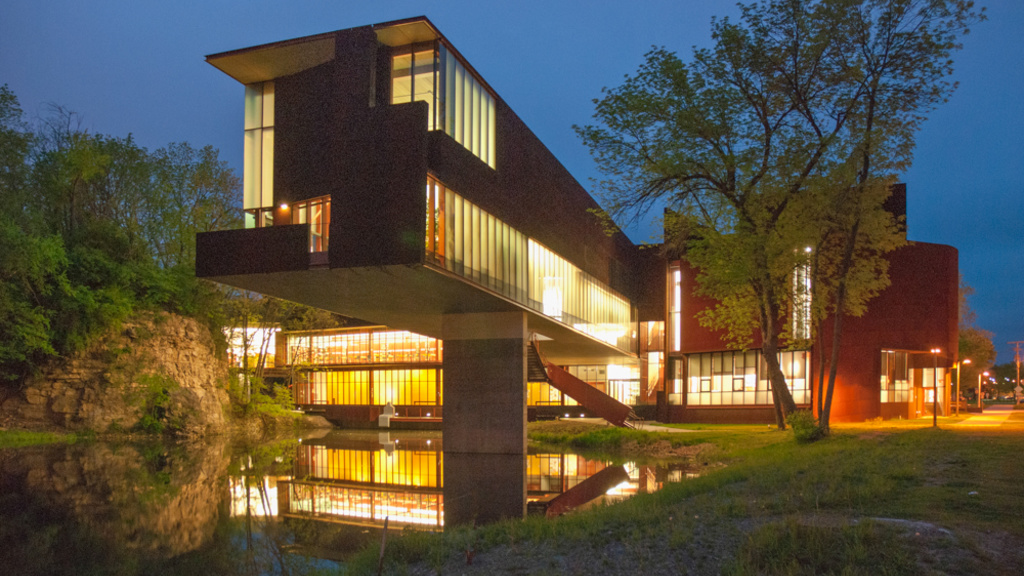
Art Building West
The award-winning Art Building West was designed by New York architect Steven Holl. The building opened in 2006 and houses Studio and Art History classrooms, the Art Library, and administrative offices.
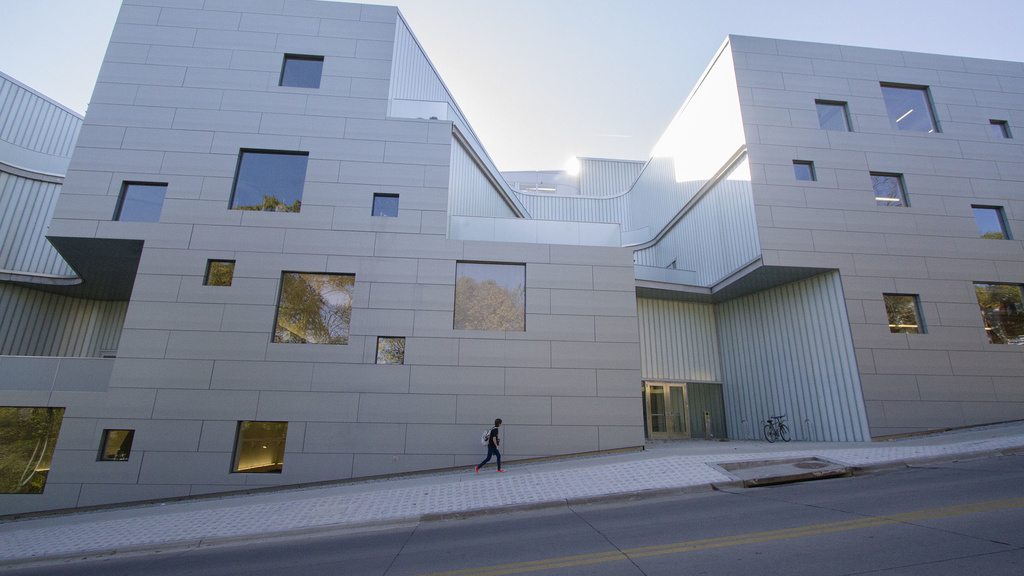
Visual Arts Building
The Visual Arts Building, also designed by Steven Holl Architects, opened in 2016. Designed to facilitate interdisciplinary collaboration, it is the most up-to-date visual arts facility in the U.S. The site is directly adjacent to Art Building West.
Create your academic path
You'll find degree overviews, requirements, course lists, academic plans, and more to help you plan your education and explore your possibilities.
Current course list
The MyUI Schedule displays registered courses for a particular session and is available to enrolled students. The list view includes course instructors, time and location, and features to drop courses or change sections.
Need more information?
For more information on the University of Iowa School of Art, Art History, and Design PhD, please contact:
Art history faculty
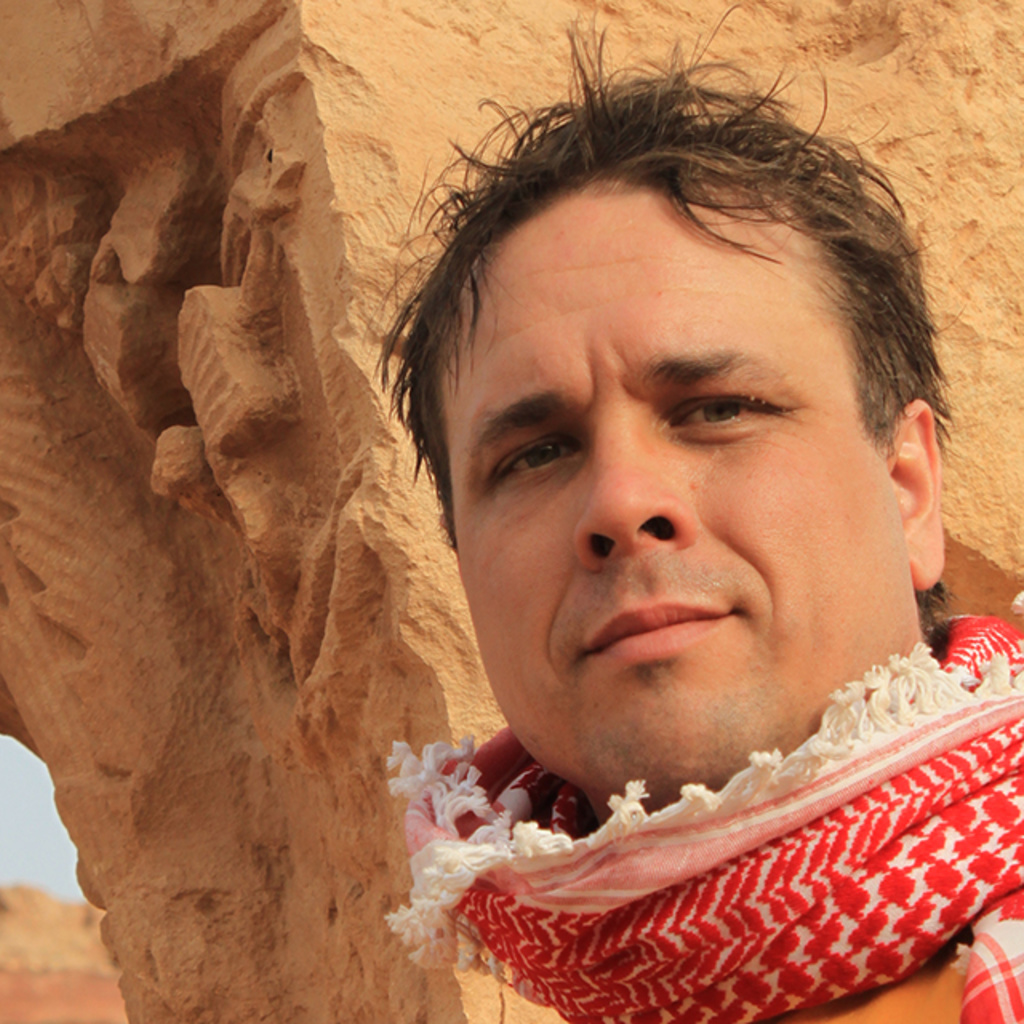
Björn Anderson

Max Boersma

Robert Bork

Erin Hein

Amy Huang
Anna Isbell
Dorothy Johnson